- Fri 05 May 2023
- nature
- Mariana Lenharo

After 1,191 days, the WHO has declared an end to COVID-19’s public-health-emergency phase. Credit: Xavierarnau/Getty
The World Health Organization (WHO) announced on Friday that COVID-19 is no longer a public health emergency of international concern (PHEIC). The WHO director-general, Tedros Adhanom Ghebreyesus, made the decision following a recommendation by the organization’s COVID-19 emergency committee. During a meeting on Thursday, the committee highlighted the decreasing numbers of deaths and hospitalizations and the high levels of population immunity against SARS-CoV-2 as reasons for ending the PHEIC.
During a press conference the next day, Tedros emphasized that COVID-19 remains a global health threat and that the new status doesn’t mean that countries can let down their guard. “It is time for countries to transition from emergency mode to managing COVID-19 alongside other infectious diseases,” he said.
How the world failed to curb COVID
The announcement didn’t come as a surprise. After the emergency committee’s last meeting, in late January, Tedros acknowledged that the pandemic was probably at a transition point.
“This is not a snap decision. It is a decision that has been considered carefully for some time, planned for, and made on the basis of a careful analysis of the data,” he said during the press conference.
Practical impacts
A PHEIC — defined by the WHO as an extraordinary event that constitutes a public-health risk to other countries through the international spread of disease — is the highest level of international public-health alarm. The COVID-19 PHEIC was declared on 30 January 2020. In practice, this decision compelled countries to start reporting cases to the WHO to create worldwide surveillance. “Importantly, [a PHEIC is] signalling to all countries that they need to prepare,” says epidemiologist Salim Abdool Karim, the director of the Centre for the AIDS Programme of Research in South Africa, in Durban.
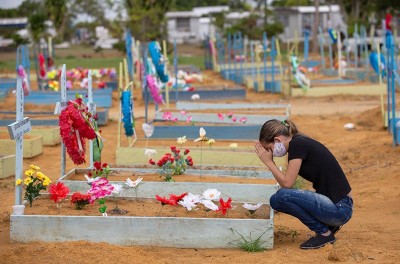
In the three years, three months and five days that have passed since the COVID-19 PHEIC was established, countries have reported almost seven million deaths to the WHO. But the pandemic’s true death toll could be two to three times higher, according to estimates from the WHO and others.
There are no hard and fast rules to determine when a PHEIC is over, says Karim. “We are still very much in a pandemic, we are just in a different stage in which we are no longer seeing large numbers of deaths and pressure on hospitals,” he adds. For Karim, the end of the PHEIC is a recognition that SARS-CoV-2 is no longer an emergency, but it will be around for a long time.
COVID's future: mini-waves rather than seasonal surges
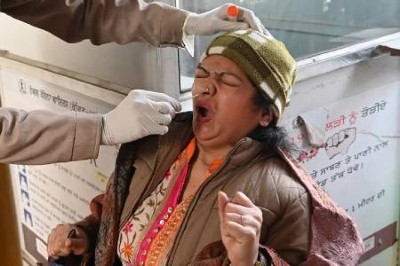
Although he says the decision was pragmatic and reasonable, he worries about the effects on resources and the availability of diagnostic tests, vaccinations and treatments.
Epidemiologist Jennifer Nuzzo, the director of the Pandemic Center at Brown University, in Providence, Rhode Island, says it is unclear whether this decision will have much of an impact, given that many countries have already been relaxing measures to combat COVID-19. “Political attention to the pandemic was lost long before this decision, unfortunately,” Nuzzo says. “Even while COVID remains a top cause of death, governments have decided to put their energies elsewhere.”
Nuzzo says it’s important to distinguish between the end of the PHEIC and the decision by individual countries to end their public-health emergencies. The United States, for example, has announced that its COVID-19 health emergency will end on 11 May. That means that some disease monitoring and surveillance will cease and some US residents could lose access to free COVID-19 testing, vaccines and treatment. “It will worsen the inequity in the access to diagnostics and treatments, and that’s my concern,” Karim says.
The path forward
In his statement, Tedros said he has decided to establish a review committee to develop long-term recommendations for countries on how to manage COVID-19. On Wednesday, the WHO published an updated version of their strategic preparedness and response plan for COVID-19 , outlining actions that countries should take in the next two years.
“What is most urgent now is to make sure that countries don’t turn their back on trying to learn the lessons of COVID and bolster their preparedness for future pandemics,” Nuzzo says.
article_text: The World Health Organization (WHO) announced on Friday that COVID-19 is no longer a public health emergency of international concern (PHEIC). The WHO director-general, Tedros Adhanom Ghebreyesus, made the decision following a recommendation by the organization’s COVID-19 emergency committee. During a meeting on Thursday, the committee highlighted the decreasing numbers of deaths and hospitalizations and the high levels of population immunity against SARS-CoV-2 as reasons for ending the PHEIC. During a press conference the next day, Tedros emphasized that COVID-19 remains a global health threat and that the new status doesn’t mean that countries can let down their guard. “It is time for countries to transition from emergency mode to managing COVID-19 alongside other infectious diseases,” he said.
How the world failed to curb COVID
The announcement didn’t come as a surprise. After the emergency committee’s last meeting, in late January, Tedros acknowledged that the pandemic was probably at a transition point. “This is not a snap decision. It is a decision that has been considered carefully for some time, planned for, and made on the basis of a careful analysis of the data,” he said during the press conference. A PHEIC — defined by the WHO as an extraordinary event that constitutes a public-health risk to other countries through the international spread of disease — is the highest level of international public-health alarm. The COVID-19 PHEIC was declared on 30 January 2020. In practice, this decision compelled countries to start reporting cases to the WHO to create worldwide surveillance. “Importantly, [a PHEIC is] signalling to all countries that they need to prepare,” says epidemiologist Salim Abdool Karim, the director of the Centre for the AIDS Programme of Research in South Africa, in Durban. In the three years, three months and five days that have passed since the COVID-19 PHEIC was established, countries have reported almost seven million deaths to the WHO. But the pandemic’s true death toll could be two to three times higher, according to estimates from the WHO and others. There are no hard and fast rules to determine when a PHEIC is over, says Karim. “We are still very much in a pandemic, we are just in a different stage in which we are no longer seeing large numbers of deaths and pressure on hospitals,” he adds. For Karim, the end of the PHEIC is a recognition that SARS-CoV-2 is no longer an emergency, but it will be around for a long time.
COVID's future: mini-waves rather than seasonal surges
Although he says the decision was pragmatic and reasonable, he worries about the effects on resources and the availability of diagnostic tests, vaccinations and treatments. Epidemiologist Jennifer Nuzzo, the director of the Pandemic Center at Brown University, in Providence, Rhode Island, says it is unclear whether this decision will have much of an impact, given that many countries have already been relaxing measures to combat COVID-19. “Political attention to the pandemic was lost long before this decision, unfortunately,” Nuzzo says. “Even while COVID remains a top cause of death, governments have decided to put their energies elsewhere.” Nuzzo says it’s important to distinguish between the end of the PHEIC and the decision by individual countries to end their public-health emergencies. The United States, for example, has announced that its COVID-19 health emergency will end on 11 May. That means that some disease monitoring and surveillance will cease and some US residents could lose access to free COVID-19 testing, vaccines and treatment. “It will worsen the inequity in the access to diagnostics and treatments, and that’s my concern,” Karim says. In his statement, Tedros said he has decided to establish a review committee to develop long-term recommendations for countries on how to manage COVID-19. On Wednesday, the WHO published an updated version of their strategic preparedness and response plan for COVID-19, outlining actions that countries should take in the next two years. “What is most urgent now is to make sure that countries don’t turn their back on trying to learn the lessons of COVID and bolster their preparedness for future pandemics,” Nuzzo says. vocabulary:
{'PHEIC': '公共卫生紧急国际关注:指世界卫生组织宣布的一种特殊状况,可能导致疾病在国际上传播,从而对其他国家的公共卫生构成威胁','SARS-CoV-2': '非典型冠状病毒2号:一种新型冠状病毒,是引起新冠肺炎的病原体','transition': '转变:指从一种状态到另一种状态的过程','snap decision': '快速决定:指在没有充分考虑的情况下,做出的决定','compelled': '强迫:指在某种情况下,不得不采取某种行动','surveillance': '监视:指对某种情况的实时监测','acknowledged': '承认:指对某种情况的认可','pragmatic': '务实:指采取实际可行的行动','compelling': '引人注目:指令人着迷的','transition point': '转折点:指一个重要的时刻,可以改变事物的发展方向','compel': '强迫:指在某种情况下,不得不采取某种行动','strategic': '战略:指采取有效的行动,以达到预定的目标','bolster': '加强:指采取措施,以增强某种能力','equity': '公平:指在某种情况下,所有人都能够获得公平的待遇','inequity': '不公平:指在某种情况下,某些人比其他人更有利','mini-waves': '小波:指一种较小的波动,可能会导致某种情况的发生','seasonal surges': '季节性激增:指某种情况在特定季节出现的高峰期'} readguide:
{'reading_guide': '本文讲述了世界卫生组织宣布新冠肺炎不再是国际关注的公共卫生紧急事件,但这并不意味着各国可以放松警惕。文章探讨了世界未能遏制新冠病毒的原因,以及结束公共卫生紧急事件后,各国应采取的行动。'} long_sentences:
{'sentence 1': 'The announcement didn’t come as a surprise. After the emergency committee’s last meeting, in late January, Tedros acknowledged that the pandemic was probably at a transition point.', 'sentence 2': 'What is most urgent now is to make sure that countries don’t turn their back on trying to learn the lessons of COVID and bolster their preparedness for future pandemics,” Nuzzo says.'}
Sentence 1: 这个宣布并不出乎意料。在1月底的紧急委员会会议之后,特德罗斯承认大流行可能正处于转折点。句子结构分析:这是一个完整的句子,主干是The announcement didn’t come as a surprise,其中come as a surprise是一个固定搭配,表示“出乎意料”;句子的后半部分是一个定语从句,修饰announcement,从句中的主语是Tedros,谓语是acknowledged,表示“承认”,宾语是that the pandemic was probably at a transition point,表示“大流行可能正处于转折点”。句子的语义分析:这句话表达的意思是,特德罗斯在1月底的紧急委员会会议之后承认大流行可能正处于转折点,这个宣布并不出乎意料。
Sentence 2: 最紧迫的是确保各国不要放弃试图从COVID中学习教训并加强未来流行病的准备。句子结构分析:这是一个完整的句子,主干是What is most urgent now is to make sure,其中make sure是一个固定搭配,表示“确保”;句子的后半部分是一个宾语从句,修饰make sure,从句中的主语是that countries,谓语是don’t turn their back,表示“不要放弃”,宾语是trying to learn the lessons of COVID and bolster their preparedness for future pandemics,表示“试图从COVID中学习教训并加强未来流行病的准备”。句子的语义分析:这句话表达的意思是,最紧迫的是确保各国不要放弃试图从COVID中学习教训并加强未来流行病的准备。