- Fri 12 May 2023
- nature
- Layal Liverpool

Cases of mpox — the disease previously known as monkeypox — are still rising in some parts of the world. Credit: Noah Seelam/AFP/Getty
The World Health Organization (WHO) announced on 11 May that mpox is no longer a public health emergency of international concern (PHEIC) — but researchers are concerned that the decision will draw critical resources away from curbing the outbreak, which is still prevalent in regions including Africa.
“My biggest worry is that investments and resources for tackling mpox will dwindle, and efforts triggered by the 2022 outbreak will not be sustained,” says Boghuma Titanji, a physician-scientist in infectious diseases at Emory University in Atlanta, Georgia. The WHO director-general made the decision after a recommendation by the organization’s mpox emergency committee on 10 May.
“We have many problems we are facing in Africa,” says Dimie Ogoina, an infectious-disease physician at Niger Delta University in Amassoma, Nigeria. Ogoina is a member of the WHO emergency committee, but he didn’t fully agree with its consensus recommendation to end the PHEIC. “The disease will be neglected just the way it has been neglected for a long time before the 2022 outbreak,” he says.
Ogoina and Titanji say that the declaration of mpox as a PHEIC in July 2022 helped to focus the world’s attention on the disease, which had previously been neglected despite being endemic to several countries in Africa . (The disease was previously known as monkeypox, and the virus continues to be called by that name.)
Monkeypox in Africa: the science the world ignored
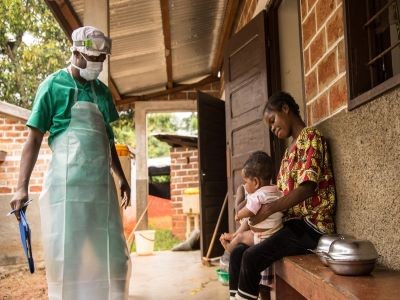
Millions of vaccines have been distributed to tackle the outbreak , but mostly in rich countries such as the United States and the United Kingdom. Vaccines and treatments have largely been out of the reach of African nations .
“Before the 2022 outbreaks and mpox becoming a disease of global importance, it was a disease that disproportionately affected poor populations in remote parts of west and central Africa,” says Titanji. “I fear that we will see a return to that status quo at least until perhaps the next outbreak that impacts wealthy countries in the West.”
Disease of priority
The PHEIC designation helped to stimulate support from governments and public-health leaders in Nigeria and other affected countries in the continent, says Ogoina. “It also has a way of making African leaders, politicians, public-health authorities see that monkeypox is a disease of priority,” he says.
In his announcement, WHO director-general Tedros Adhanom Ghebreyesus pointed to global progress in controlling the mpox outbreak in recent months, noting that there were almost 90% fewer cases reported in the past three months compared with the previous three. However, the WHO’s latest situation report, published on 11 May, suggests a slight rise in cases globally in the past week.
Since the WHO’s previous situation report published on 27 April, 264 new mpox cases and 10 related deaths have been reported to the organization. Most of the infections were in the Americas, particularly in Mexico and Brazil, and in the western Pacific region, including in Japan, China, South Korea, Singapore and Australia. In total, more than 87,000 mpox cases and 140 deaths have been recorded in 111 countries since the outbreak began.
Titanji says that the coming Northern Hemisphere summer might encourage infection spread. “We’re beginning to hear about reports of new clusters of cases, some of these cases being reported in people who were vaccinated last summer — and there’s still lots of things we don’t understand about this virus and how its moving within populations,” says Titanji. “These questions need to be addressed before we take a victory lap and say, we’re done with this.”
“Large swathes of the population do not have immunity against mpox,” she says. “If the disease is introduced into the right networks by travel, by festivals and all that happens around the summer, then it’s not unrealistic that we may yet again see surges in this outbreak.”
Incomplete reporting
In Africa, the latest WHO report notes that the case trends remain unclear owing to reporting inconsistencies. “We’re not sure of the level of ongoing transmission because what we have in Africa is essentially an undercount,” says Ogoina. He also fears infections will rise in the coming months. “We’re going into a period where we may have social gatherings that may serve as super-spreader events. There are still ongoing transmissions in some countries although there has been significant decline,” says Ogoina. “My concern is that we may have a resurgence.”
Ogoina underscores that Africa nations still have vastly fewer resources to control infections than rich countries. “PHEIC was an opportunity for us to galvanize support to see that we understand the disease better in Africa, to see that we have vaccines and therapeutics in Africa, but currently we still don’t understand the disease as we ought to,” he says. “We still don’t have vaccines. We still don’t have therapeutics.”
When asked by Nature at a press conference on 11 May if the decision to end the PHEIC would result in mpox being neglected, the WHO’s executive director of health emergencies Michael Ryan said: “It is a neglected disease. And it’s been totally neglected during this outbreak. In fact, WHO had to fund all of this international response purely on the basis of a contingency fund for emergencies — not one dollar was received from donors to support this response and support countries.”
“We don’t want this to be a neglected disease going forward,” added Rosamund Lewis, the WHO’s technical lead for mpox. “Efforts need to be made to continue surveillance, to continue capacity building in African countries specifically, to continue working with most affected communities.” Those groups include men who have sex with men and people who don’t have access to testing, vaccines or treatments, said Lewis.
article_text: The World Health Organization (WHO) announced on 11 May that mpox is no longer a public health emergency of international concern (PHEIC) — but researchers are concerned that the decision will draw critical resources away from curbing the outbreak, which is still prevalent in regions including Africa. “My biggest worry is that investments and resources for tackling mpox will dwindle, and efforts triggered by the 2022 outbreak will not be sustained,” says Boghuma Titanji, a physician-scientist in infectious diseases at Emory University in Atlanta, Georgia. The WHO director-general made the decision after a recommendation by the organization’s mpox emergency committee on 10 May. “We have many problems we are facing in Africa,” says Dimie Ogoina, an infectious-disease physician at Niger Delta University in Amassoma, Nigeria. Ogoina is a member of the WHO emergency committee, but he didn’t fully agree with its consensus recommendation to end the PHEIC. “The disease will be neglected just the way it has been neglected for a long time before the 2022 outbreak,” he says. Ogoina and Titanji say that the declaration of mpox as a PHEIC in July 2022 helped to focus the world’s attention on the disease, which had previously been neglected despite being endemic to several countries in Africa. (The disease was previously known as monkeypox, and the virus continues to be called by that name.)
Monkeypox in Africa: the science the world ignored
Millions of vaccines have been distributed to tackle the outbreak, but mostly in rich countries such as the United States and the United Kingdom. Vaccines and treatments have largely been out of the reach of African nations. “Before the 2022 outbreaks and mpox becoming a disease of global importance, it was a disease that disproportionately affected poor populations in remote parts of west and central Africa,” says Titanji. “I fear that we will see a return to that status quo at least until perhaps the next outbreak that impacts wealthy countries in the West.” The PHEIC designation helped to stimulate support from governments and public-health leaders in Nigeria and other affected countries in the continent, says Ogoina. “It also has a way of making African leaders, politicians, public-health authorities see that monkeypox is a disease of priority,” he says. In his announcement, WHO director-general Tedros Adhanom Ghebreyesus pointed to global progress in controlling the mpox outbreak in recent months, noting that there were almost 90% fewer cases reported in the past three months compared with the previous three. However, the WHO’s latest situation report, published on 11 May, suggests a slight rise in cases globally in the past week. Since the WHO’s previous situation report published on 27 April, 264 new mpox cases and 10 related deaths have been reported to the organization. Most of the infections were in the Americas, particularly in Mexico and Brazil, and in the western Pacific region, including in Japan, China, South Korea, Singapore and Australia. In total, more than 87,000 mpox cases and 140 deaths have been recorded in 111 countries since the outbreak began. Titanji says that the coming Northern Hemisphere summer might encourage infection spread. “We’re beginning to hear about reports of new clusters of cases, some of these cases being reported in people who were vaccinated last summer — and there’s still lots of things we don’t understand about this virus and how its moving within populations,” says Titanji. “These questions need to be addressed before we take a victory lap and say, we’re done with this.” “Large swathes of the population do not have immunity against mpox,” she says. “If the disease is introduced into the right networks by travel, by festivals and all that happens around the summer, then it’s not unrealistic that we may yet again see surges in this outbreak.” In Africa, the latest WHO report notes that the case trends remain unclear owing to reporting inconsistencies. “We’re not sure of the level of ongoing transmission because what we have in Africa is essentially an undercount,” says Ogoina. He also fears infections will rise in the coming months. “We’re going into a period where we may have social gatherings that may serve as super-spreader events. There are still ongoing transmissions in some countries although there has been significant decline,” says Ogoina. “My concern is that we may have a resurgence.” Ogoina underscores that Africa nations still have vastly fewer resources to control infections than rich countries. “PHEIC was an opportunity for us to galvanize support to see that we understand the disease better in Africa, to see that we have vaccines and therapeutics in Africa, but currently we still don’t understand the disease as we ought to,” he says. “We still don’t have vaccines. We still don’t have therapeutics.” When asked by Nature at a press conference on 11 May if the decision to end the PHEIC would result in mpox being neglected, the WHO’s executive director of health emergencies Michael Ryan said: “It is a neglected disease. And it’s been totally neglected during this outbreak. In fact, WHO had to fund all of this international response purely on the basis of a contingency fund for emergencies — not one dollar was received from donors to support this response and support countries.” “We don’t want this to be a neglected disease going forward,” added Rosamund Lewis, the WHO’s technical lead for mpox. “Efforts need to be made to continue surveillance, to continue capacity building in African countries specifically, to continue working with most affected communities.” Those groups include men who have sex with men and people who don’t have access to testing, vaccines or treatments, said Lewis. vocabulary:
{'mpox': '脊髓灰质炎:一种传染病,可引起脊髓炎,脊髓炎是一种严重的神经系统疾病,可导致瘫痪、肢体瘫痪和死亡','PHEIC': '公共卫生国际关注事件:一种由世界卫生组织定义的全球性公共卫生事件,可能对全球公共卫生造成重大影响','Emory University': '埃默里大学:位于美国佐治亚州亚特兰大的一所私立研究型大学','Niger Delta University': '尼日尔三角洲大学:位于尼日利亚阿马萨索马的一所公立大学','Tedros Adhanom Ghebreyesus': '特德罗斯·阿达赫·盖布雷耶苏斯:世界卫生组织总干事','situation report': '情况报告:一种报告,用于描述某个特定情况的状况','Northern Hemisphere': '北半球:地球的一半,包括欧洲、亚洲、北美洲和大部分非洲','super-spreader events': '超级传播者事件:一种传播疾病的活动,可以导致大量感染','vaccines and treatments': '疫苗和治疗:用于预防和治疗疾病的药物','contingency fund': '应急基金:一种用于应对突发事件的资金','galvanize support': '动员支持:动员公众支持某项活动或计划','capacity building': '能力建设:提高组织、社区或国家的能力,以应对挑战和机会','most affected communities': '受影响最大的社区:受到某种疾病影响最大的社区'} readguide:
{'reading_guide': '本文讲述了世界卫生组织(WHO)在2022年7月宣布猴痘为国际关注的公共卫生紧急事件(PHEIC)后,在5月11日宣布猴痘不再是国际关注的公共卫生紧急事件,但研究人员担心,这一决定将使猴痘疫情控制的关键资源从非洲等地区抽走。文章还提到,猴痘仍然在非洲等地区流行,而且猴痘疫苗和治疗大多是富裕国家(如美国和英国)的特权,而非洲国家很难获得。文章最后指出,世界卫生组织希望猴痘不再被忽视,并努力建立非洲国家的监测能力,提供疫苗和治疗。'} long_sentences:
{'sentence 1': '“My biggest worry is that investments and resources for tackling mpox will dwindle, and efforts triggered by the 2022 outbreak will not be sustained,” says Boghuma Titanji, a physician-scientist in infectious diseases at Emory University in Atlanta, Georgia.', 'sentence 2': 'In Africa, the latest WHO report notes that the case trends remain unclear owing to reporting inconsistencies. “We’re not sure of the level of ongoing transmission because what we have in Africa is essentially an undercount,” says Ogoina.'}
Sentence 1: “My biggest worry is that investments and resources for tackling mpox will dwindle, and efforts triggered by the 2022 outbreak will not be sustained,” says Boghuma Titanji, a physician-scientist in infectious diseases at Emory University in Atlanta, Georgia.
语法分析:这句话是一个复合句,主句是“My biggest worry is that investments and resources for tackling mpox will dwindle, and efforts triggered by the 2022 outbreak will not be sustained”,其中“My biggest worry is that”是一个定语从句,修饰worry;“investments and resources for tackling mpox will dwindle, and efforts triggered by the 2022 outbreak will not be sustained”是一个并列句,两个分句之间用逗号隔开;“says Boghuma Titanji, a physician-scientist in infectious diseases at Emory University in Atlanta, Georgia”是一个定语从句,修饰worry。
语义分析:这句话的主要意思是:波古马·泰坦吉(Boghuma Titanji),佐治亚州亚特兰大埃默里大学(Emory University in Atlanta, Georgia)的传染病医学家,表示他最大的担忧是,由于2022年爆发的疫情,投资和资源用于控制脊灰病毒(mpox)的减少,而努力也不会得到维持。
Sentence 2: In Africa, the latest WHO report notes that the case trends remain unclear owing to reporting inconsistencies. “We’re not sure of the level of ongoing transmission because what we have in Africa is essentially an undercount,” says Ogoina.
语法分析:这句话是一个复合句,主句是“the case trends remain unclear owing to reporting inconsistencies”,其中“the case trends remain unclear”是一个主谓结构,“owing to reporting inconsistencies”是一个状语从句,修饰remain unclear;“We’re not sure of the level of ongoing transmission because what we have in Africa is essentially an undercount”是一个并列句,两个分句之间用because连接;“says Ogoina”是一个定语从句,修饰We。
语义分析:这句话的主要意思是:最新的世界卫生组织(WHO)报告指出,由于报告的不一致性,非洲的病例趋势仍然不清楚。奥戈纳(Ogoina)表示,我们不确定在非洲的传播水平,因为我们所拥有的实际上是一个低估。