- Wed 10 May 2023
- nature
- Layal Liverpool

The human pangenome represents a collection of genetic sequences from a diverse cohort of people. Credit: Gideon Mendel/Corbis via Getty
More than 20 years after the first draft genome from the landmark Human Genome Project was released, researchers have published a draft human ‘pangenome’ — a snapshot of what is poised to become a new reference for genetic research that captures more of human diversity than has been previously available. Geneticists have welcomed the milestone, while also highlighting key ethical considerations surrounding the effort to make genome research more inclusive.
“This is like going from black-and-white television to 1080p,” says Keolu Fox, a genome scientist at the University of California, San Diego.
A more-inclusive genome project aims to capture all of human diversity
“It’s something that we have all been waiting for,” says Aimé Lumaka, a geneticist who holds a joint position at the University of Liège in Belgium and the University of Kinshasa in the Democratic Republic of the Congo. “The current reference genome is missing not only part of the genomic information but, most importantly, it’s missing diversity,” he says.
The draft genome, published in Nature on 10 May 1 , was produced by the Human Pangenome Reference Consortium. Launched in 2019, the international project aims to map the entirety of human genetic variation, to create a comprehensive reference against which geneticists will be able to compare other sequences. Such a reference would aid studies investigating potential links between genes and disease.
The draft pangenome follows the 2022 publication of the first complete sequence of the human genome 2 , which filled gaps that had been left by the original Human Genome Project. But unlike the original draft human genome and its successor, both of which were derived mostly from the DNA of just one person, the draft pangenome represents a collection of sequences from a diverse selection of 47 people from around the globe, including individuals from Africa, the Americas, Asia and Europe.
Genetic tube map
Eimear Kenny, a geneticist at the Icahn School of Medicine at Mount Sinai in New York City, and her colleagues aligned all these sequences computationally to form a ‘pangenome graph’ — conceptually similar to a London Underground map, where branching paths indicate genetic variation. The researchers found that the pangenome enabled them to identify twice as many structural variants — large genomic alterations such as gene duplications or deletions — per person than is possible using the original, linear reference genome. The team aims to analyse sequences from 350 people by mid-2024.
A complete human genome sequence is close: how scientists filled in the gaps
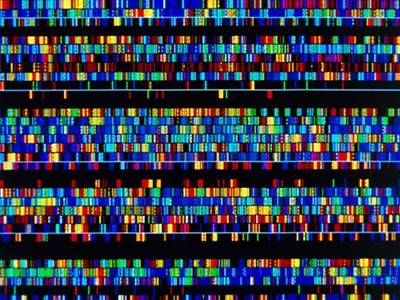
Many of the samples being analysed are from people who took part in the 1000 Genomes Project, a sequencing effort initiated in 2008 to map genetic variation across 26 diverse populations. The participants’ frozen DNA samples are being defrosted and reanalysed by the pangenome consortium using a more detailed technique called ‘long-read sequencing’. This analyses longer sections of DNA at a time compared with older sequencing methods, and can distinguish between chromosome pairs from the same person. “It’s a much higher-resolution approach,” says Fox.
Consent forms signed by the participants at the time of the 1000 Genomes Project cover the reanalysis of their samples and, during a press conference, Kenny and other researchers from the pangenome consortium said that the project was taking further measures to ensure ethical collection and use of the genetic data. For instance, the consortium has committed not to include people who are members of Indigenous tribes or other groups that have formal policies preventing contribution of samples, said Kenny.
Ethical considerations
However, some researchers — including Fox — are concerned that the project risks repeating ethically questionable practices from other large-scale genetic-diversity projects. For instance, the Human Genome Diversity Project in the 1990s and the ongoing All of Us Research Program received criticism, including from US-based tribes, for failing to engage sufficiently with members of the communities whose DNA they were sampling. These included people belonging to marginalized groups usually under-represented in human genetic research.
A wealth of discovery built on the Human Genome Project — by the numbers

“We will, of course, advance knowledge of human structural variation with new data sets and new tools. The progress we should be striving for, however, is the equitable engagement of under-represented communities in this work from the ground up,” says Krystal Tsosie, a genetic epidemiologist and bioethicist at Arizona State University in Tempe. Tsosie is also co-founder of the Native BioData Consortium, a non-profit research institute in Eagle Butte, South Dakota, led by Indigenous scientists and tribal members. “If the research is not benefiting the diverse communities first and foremost, then we are doing something fundamentally wrong here,” she says.
Fox, who is on the board of the Native BioData Consortium, agrees. He is concerned that data from the Human Pangenome Reference Project, which is funded by the US National Institutes of Health, could be used by the pharmaceutical industry for commercial purposes — as has happened in the past 3 — without tangible benefits to the study participants or their communities.
Revisiting consent
Latifa Jackson, a geneticist at Howard University in Washington DC, points out that the 1000 Genomes Project relied partly on samples collected many years before it launched. “I am concerned that many of the participating pangenome locations have samples that were collected in the 1980s under very different political and social structures,” she says. “We need to revisit ideas of consent, especially for samples collected 30–40 years ago under very different power structures.”
“We recognize that this work is at the forefront of genomic research and has specific features, including open access of data, that warrant a great deal of consideration, and that the applications can raise ethical, legal and social issues,” Kenny said at the press conference. “We have drawn not only from our own expertise, but also built on the work of scholars and organizations throughout the world, to be aware of the many pitfalls and to systematically review other efforts for lessons learned, that we can bring into this new initiative.”
Kenny added that the pangenome consortium is hoping to recruit new study participants as part of its effort to maximize diversity among the planned 350 genomes. These will include participants obtained “through a large health system in an urban city like New York, which has people from almost every country of the world through processes of diaspora and migration”, said Kenny.
article_text: More than 20 years after the first draft genome from the landmark Human Genome Project was released, researchers have published a draft human ‘pangenome’ — a snapshot of what is poised to become a new reference for genetic research that captures more of human diversity than has been previously available. Geneticists have welcomed the milestone, while also highlighting key ethical considerations surrounding the effort to make genome research more inclusive. “This is like going from black-and-white television to 1080p,” says Keolu Fox, a genome scientist at the University of California, San Diego.
A more-inclusive genome project aims to capture all of human diversity
“It’s something that we have all been waiting for,” says Aimé Lumaka, a geneticist who holds a joint position at the University of Liège in Belgium and the University of Kinshasa in the Democratic Republic of the Congo. “The current reference genome is missing not only part of the genomic information but, most importantly, it’s missing diversity,” he says. The draft genome, published in Nature on 10 May1, was produced by the Human Pangenome Reference Consortium. Launched in 2019, the international project aims to map the entirety of human genetic variation, to create a comprehensive reference against which geneticists will be able to compare other sequences. Such a reference would aid studies investigating potential links between genes and disease. The draft pangenome follows the 2022 publication of the first complete sequence of the human genome2, which filled gaps that had been left by the original Human Genome Project. But unlike the original draft human genome and its successor, both of which were derived mostly from the DNA of just one person, the draft pangenome represents a collection of sequences from a diverse selection of 47 people from around the globe, including individuals from Africa, the Americas, Asia and Europe. Eimear Kenny, a geneticist at the Icahn School of Medicine at Mount Sinai in New York City, and her colleagues aligned all these sequences computationally to form a ‘pangenome graph’ — conceptually similar to a London Underground map, where branching paths indicate genetic variation. The researchers found that the pangenome enabled them to identify twice as many structural variants — large genomic alterations such as gene duplications or deletions — per person than is possible using the original, linear reference genome. The team aims to analyse sequences from 350 people by mid-2024.
A complete human genome sequence is close: how scientists filled in the gaps
Many of the samples being analysed are from people who took part in the 1000 Genomes Project, a sequencing effort initiated in 2008 to map genetic variation across 26 diverse populations. The participants’ frozen DNA samples are being defrosted and reanalysed by the pangenome consortium using a more detailed technique called ‘long-read sequencing’. This analyses longer sections of DNA at a time compared with older sequencing methods, and can distinguish between chromosome pairs from the same person. “It’s a much higher-resolution approach,” says Fox. Consent forms signed by the participants at the time of the 1000 Genomes Project cover the reanalysis of their samples and, during a press conference, Kenny and other researchers from the pangenome consortium said that the project was taking further measures to ensure ethical collection and use of the genetic data. For instance, the consortium has committed not to include people who are members of Indigenous tribes or other groups that have formal policies preventing contribution of samples, said Kenny. However, some researchers — including Fox — are concerned that the project risks repeating ethically questionable practices from other large-scale genetic-diversity projects. For instance, the Human Genome Diversity Project in the 1990s and the ongoing All of Us Research Program received criticism, including from US-based tribes, for failing to engage sufficiently with members of the communities whose DNA they were sampling. These included people belonging to marginalized groups usually under-represented in human genetic research.
A wealth of discovery built on the Human Genome Project — by the numbers
“We will, of course, advance knowledge of human structural variation with new data sets and new tools. The progress we should be striving for, however, is the equitable engagement of under-represented communities in this work from the ground up,” says Krystal Tsosie, a genetic epidemiologist and bioethicist at Arizona State University in Tempe. Tsosie is also co-founder of the Native BioData Consortium, a non-profit research institute in Eagle Butte, South Dakota, led by Indigenous scientists and tribal members. “If the research is not benefiting the diverse communities first and foremost, then we are doing something fundamentally wrong here,” she says. Fox, who is on the board of the Native BioData Consortium, agrees. He is concerned that data from the Human Pangenome Reference Project, which is funded by the US National Institutes of Health, could be used by the pharmaceutical industry for commercial purposes — as has happened in the past3 — without tangible benefits to the study participants or their communities. Latifa Jackson, a geneticist at Howard University in Washington DC, points out that the 1000 Genomes Project relied partly on samples collected many years before it launched. “I am concerned that many of the participating pangenome locations have samples that were collected in the 1980s under very different political and social structures,” she says. “We need to revisit ideas of consent, especially for samples collected 30–40 years ago under very different power structures.” “We recognize that this work is at the forefront of genomic research and has specific features, including open access of data, that warrant a great deal of consideration, and that the applications can raise ethical, legal and social issues,” Kenny said at the press conference. “We have drawn not only from our own expertise, but also built on the work of scholars and organizations throughout the world, to be aware of the many pitfalls and to systematically review other efforts for lessons learned, that we can bring into this new initiative.” Kenny added that the pangenome consortium is hoping to recruit new study participants as part of its effort to maximize diversity among the planned 350 genomes. These will include participants obtained “through a large health system in an urban city like New York, which has people from almost every country of the world through processes of diaspora and migration”, said Kenny. vocabulary:
{'Pangenome': '杂合子基因组:指一个物种的所有基因组成的总和,它可以捕捉到比以往更多的人类多样性','Genome': '基因组:指一个物种的所有基因的总和,它可以提供有关物种的信息','Structural variants': '结构变异:指基因组中的大型结构变化,如基因复制或删除','Long-read sequencing': '长阅读测序:指一种比旧的测序方法更详细的技术,可以区分来自同一个人的染色体对','Pangenome graph': '杂合子基因组图:概念上类似于伦敦地铁图,其中分支路径表示基因变异','1000 Genomes Project': '1000基因组项目:一项于2008年启动的测序工作,旨在映射26个不同种群的基因变异','Human Genome Diversity Project': '人类基因组多样性项目:一项于上世纪90年代开展的大规模基因多样性项目','All of Us Research Program': '我们所有人研究计划:一项正在进行的大规模基因多样性项目','Native BioData Consortium': '原始生物数据联盟:一个由原住民科学家和部落成员领导的非营利性研究机构','Equitable engagement': '公平参与:指在基因研究中充分参与被样本采集的社区','Diaspora': '散居:指一群人从原来的家乡迁移到其他地方','Migration': '迁移:指一群人从一个地方迁移到另一个地方'} readguide:
{'reading_guide': '本文介绍了人类基因组计划的一个里程碑,即发布了人类“全基因组”的草案,这是一个比以往任何参考基因组更能反映人类多样性的快照。文章探讨了这一更具包容性的基因组计划的目标,以及为了使基因组研究更具包容性而存在的关键伦理考虑。文章还介绍了如何填补人类基因组序列的空白,以及如何确保遵守伦理准则。'} long_sentences:
{'sentence 1': 'The draft genome, published in Nature on 10 May1, was produced by the Human Pangenome Reference Consortium. Launched in 2019, the international project aims to map the entirety of human genetic variation, to create a comprehensive reference against which geneticists will be able to compare other sequences.', 'sentence 2': 'Many of the samples being analysed are from people who took part in the 1000 Genomes Project, a sequencing effort initiated in 2008 to map genetic variation across 26 diverse populations. The participants’ frozen DNA samples are being defrosted and reanalysed by the pangenome consortium using a more detailed technique called ‘long-read sequencing’. This analyses longer sections of DNA at a time compared with older sequencing methods, and can distinguish between chromosome pairs from the same person.'}
Sentence 1: 这份草案的基因组于2021年5月10日发表在《自然》杂志上,由人类杂合基因组参考联盟制作。该联盟成立于2019年,旨在绘制人类遗传变异的全貌,以便建立一个综合参考,以便遗传学家可以将其与其他序列进行比较。
Sentence 2: 这些样本的许多分析来自于参加2008年发起的1000个基因组计划的人员,该计划旨在绘制26个不同种群的遗传变异。参与者的冷冻DNA样本正在被杂合基因组联盟用更详细的技术“长读取测序”解冻和重新分析。这种分析比旧的测序方法一次分析更长的DNA片段,并且可以区分来自同一个人的染色体对。