- Fri 05 May 2023
- nature
- Traci Watson, Max Kozlov

Rochelle Walensky, director of the Centers for Disease Control and Prevention, announced Friday that she will step down from her post after almost two-and-a-half years. Credit: AP Photo/Cliff Owen/Alamy
Rochelle Walensky, who led the US Centers for Disease Control and Prevention through some of the grimmest phases of the COVID-19 pandemic, announced Friday that she will leave the agency at the end of June.
US president Joe Biden chose Walensky, an infectious-disease specialist, to head an agency that had been sidelined and mismanaged during the first year of the pandemic, when Donald Trump was president. Walensky steered the agency through the roll-out of COVID-19 vaccines and the subsequent changes to CDC recommendations on masking, quarantine and other infection-control measures. Under her watch, the agency also coordinated the US response to the global mpox outbreak and an outbreak of Ebola in Uganda.
Her decision became public the same day that the World Health Organization announced it was ending the global health emergency designation for COVID-19 . The US public-health emergency ends on 11 May.
“Dr. Walensky has saved lives with her steadfast and unwavering focus on the health of every American,” Biden said in a statement.
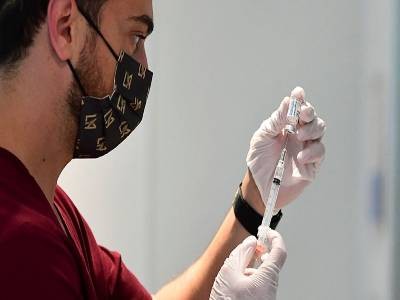
One of her most important accomplishments is the roll-out of COVID-19 vaccines, says Lawrence Gostin, a health-law and policy specialist at Georgetown University in Washington DC. According to CDC data, more than 80% of the US population has received at least one vaccine dose, despite the politicization of the pandemic and the spread of disinformation about the vaccines’ effectiveness and side effects.
‘It’s a minefield’: COVID vaccine safety poses unique communication challenge
But during Walensky’s tenure, the agency has also drawn criticism from scientists for some of its public guidance and communications — for instance, its decision, in the thick of an Omicron wave, to shorten the recommended isolation period for some people with COVID-19.
There were “a lot of confusing messages coming out of the CDC” while Walensky was in charge, Gostin says.
But he and others praised her leadership, even if they did not always see eye-to-eye with the CDC’s actions over the past two years.
“While I vehemently disagreed with some of the CDC policies and data inadequacy along the way, I have very high regard for her abilities and indefatigable work to support the health of Americans in this prolonged crisis,” says Eric Topol, executive vice-president at Scripps Research in La Jolla, California. “It’s a thankless job that would naturally be mired in controversy, and we should recognize she did her best despite many inherent obstacles.”
“She fought the good fight,” Gostin says, praising her advocacy for better data collection and surveillance. “I want to applaud her service to the country under very difficult circumstances.”
Who’s next?
The next CDC director, Gostin says, must be a strong communicator with experience on the “front lines” of public health. And with the pandemic entering a new phase, the CDC must regain the authority to make public-health decisions without White House interference, he adds.
“My biggest concern about this is what it may mean for efforts to reform CDC,” tweeted Jennifer Nuzzo, director of the Pandemic Center at Brown University School of Public Health in Providence, Rhode Island. “It is critical that we overhaul the agency well before the next emergency.”
Walensky’s resignation statement did not mention what she plans to do after leaving the agency. Before joining the CDC, she was chief of infectious diseases at Massachusetts General Hospital in Boston and an HIV/AIDS researcher at Harvard Medical School, also in Boston.
article_text: Rochelle Walensky, who led the US Centers for Disease Control and Prevention through some of the grimmest phases of the COVID-19 pandemic, announced Friday that she will leave the agency at the end of June. US president Joe Biden chose Walensky, an infectious-disease specialist, to head an agency that had been sidelined and mismanaged during the first year of the pandemic, when Donald Trump was president. Walensky steered the agency through the roll-out of COVID-19 vaccines and the subsequent changes to CDC recommendations on masking, quarantine and other infection-control measures. Under her watch, the agency also coordinated the US response to the global mpox outbreak and an outbreak of Ebola in Uganda. Her decision became public the same day that the World Health Organization announced it was ending the global health emergency designation for COVID-19. The US public-health emergency ends on 11 May. “Dr. Walensky has saved lives with her steadfast and unwavering focus on the health of every American,” Biden said in a statement. One of her most important accomplishments is the roll-out of COVID-19 vaccines, says Lawrence Gostin, a health-law and policy specialist at Georgetown University in Washington DC. According to CDC data, more than 80% of the US population has received at least one vaccine dose, despite the politicization of the pandemic and the spread of disinformation about the vaccines’ effectiveness and side effects.
‘It’s a minefield’: COVID vaccine safety poses unique communication challenge
But during Walensky’s tenure, the agency has also drawn criticism from scientists for some of its public guidance and communications — for instance, its decision, in the thick of an Omicron wave, to shorten the recommended isolation period for some people with COVID-19. There were “a lot of confusing messages coming out of the CDC” while Walensky was in charge, Gostin says. But he and others praised her leadership, even if they did not always see eye-to-eye with the CDC’s actions over the past two years. “While I vehemently disagreed with some of the CDC policies and data inadequacy along the way, I have very high regard for her abilities and indefatigable work to support the health of Americans in this prolonged crisis,” says Eric Topol, executive vice-president at Scripps Research in La Jolla, California. “It’s a thankless job that would naturally be mired in controversy, and we should recognize she did her best despite many inherent obstacles.” “She fought the good fight,” Gostin says, praising her advocacy for better data collection and surveillance. “I want to applaud her service to the country under very difficult circumstances.” The next CDC director, Gostin says, must be a strong communicator with experience on the “front lines” of public health. And with the pandemic entering a new phase, the CDC must regain the authority to make public-health decisions without White House interference, he adds. “My biggest concern about this is what it may mean for efforts to reform CDC,” tweeted Jennifer Nuzzo, director of the Pandemic Center at Brown University School of Public Health in Providence, Rhode Island. “It is critical that we overhaul the agency well before the next emergency.” Walensky’s resignation statement did not mention what she plans to do after leaving the agency. Before joining the CDC, she was chief of infectious diseases at Massachusetts General Hospital in Boston and an HIV/AIDS researcher at Harvard Medical School, also in Boston. vocabulary:
{'Rochelle Walensky': '罗切尔·瓦伦斯基,美国疾病控制和预防中心的负责人,在COVID-19大流行的最严峻阶段带领该机构,周五宣布将于6月底离职','roll-out': '推出,推广,发行,发射','mismanaged': '管理不善,失控','infectious-disease': '传染病','subsequent': '随后的,后来的','mpox': '麻疹','Ebola': '埃博拉病毒','designation': '指定,指示,指派','steadfast': '坚定的,坚决的','unwavering': '坚定的,不动摇的','vaccines': '疫苗','disinformation': '虚假信息','Omicron': '奥米克隆,一种病毒','inherent': '固有的,内在的','indefatigable': '不知疲倦的,不倦的','vehemently': '强烈地,激烈地','data inadequacy': '数据不足','front lines': '前线','overhaul': '彻底检修,大修','emergency': '紧急情况,紧急事件'} readguide:
{'reading_guide': '本文讲述了美国疾病控制和预防中心(CDC)主任罗切尔·瓦伦斯基(Rochelle Walensky)在管理COVID-19大流行期间的贡献,以及她将于6月底离任CDC的决定。文章指出,瓦伦斯基在任期间,推动了COVID-19疫苗的推出,并协调了美国应对全球脊髓灰质炎和乌干达埃博拉病毒爆发的响应。文章还指出,尽管瓦伦斯基在任期间受到了一些批评,但她的领导能力仍受到赞扬,而且CDC在下一个紧急情况下也必须重新获得权威,以做出公共卫生决策,而不受白宫的干预。'} long_sentences:
{'sentence 1': 'Under her watch, the agency also coordinated the US response to the global mpox outbreak and an outbreak of Ebola in Uganda.', 'sentence 2': 'But during Walensky’s tenure, the agency has also drawn criticism from scientists for some of its public guidance and communications — for instance, its decision, in the thick of an Omicron wave, to shorten the recommended isolation period for some people with COVID-19.'}
sentence 1:在她的领导下,该机构还协调了美国对全球脊髓灰质炎疫情和乌干达埃博拉疫情的响应。
句子结构:主语是“the agency”,谓语动词是“coordinated”,宾语是“the US response to the global mpox outbreak and an outbreak of Ebola in Uganda”,表示该机构协调了美国对全球脊髓灰质炎疫情和乌干达埃博拉疫情的响应。
语义:句子表达的是在Rochelle Walensky的领导下,美国疾病控制和预防中心协调了美国对全球脊髓灰质炎疫情和乌干达埃博拉疫情的响应。
sentence 2:但在沃伦斯基的任期内,该机构也因其公共指导和沟通而受到科学家的批评,例如,在Omicron浪潮最激烈时,其决定缩短对某些患有COVID-19的人的建议隔离期。
句子结构:主语是“the agency”,谓语动词是“drew criticism”,宾语是“from scientists for some of its public guidance and communications”,表示该机构因其公共指导和沟通而受到科学家的批评。
语义:句子表达的是在Rochelle Walensky的任期内,美国疾病控制和预防中心因其公共指导和沟通而受到科学家的批评,例如,在Omicron浪潮最激烈时,其决定缩短对某些患有COVID-19的人的建议隔离期。